


Robert Connor Dawes Foundation


2025 Impact Report

Helping kids with brain cancer

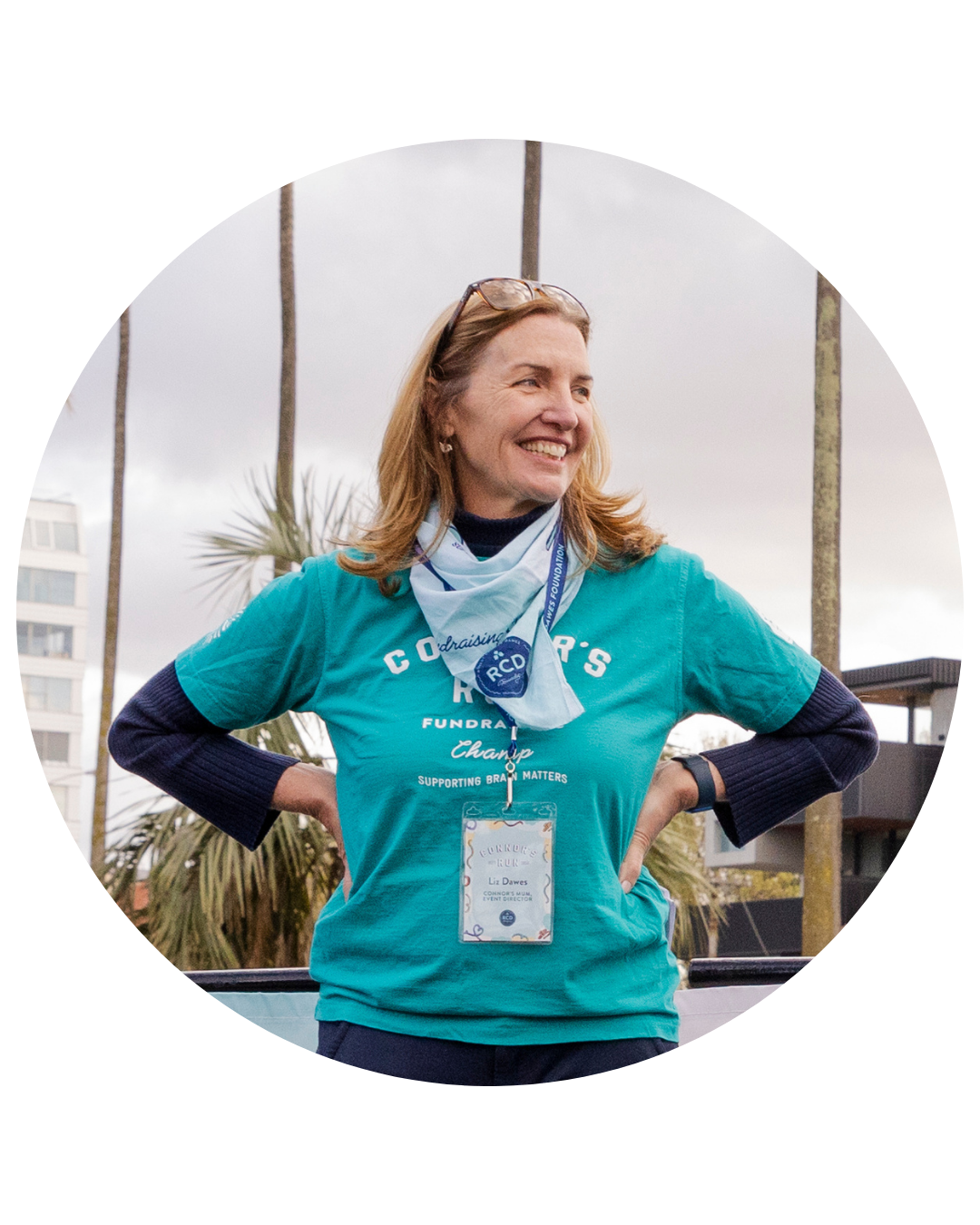
Liz's Update

Welcome to the Robert Connor Dawes Foundation 2025 Impact Report, showcasing the continued progress that, with your support, we are making to improve the lives of young people impacted by brain cancer. The odds remain dire and the statistic of brain cancer as #1 disease killer of young people remains stubbornly intact. We can only make meaningful investments to continue our passion and mission to better outcomes for children with big hearted and generous people like you. Your year-on-year contributions give stability to our multi-year projects and underpins our funding of the next generation of researchers. 

Under the direction of our Head of Research, Dr Kim Wark, we have helped shape and lead two large initiatives for the sector: investments in mRNA technology (both basic research and clinical trials) and an ambitious data project to streamline and improve how data is being used, tracked and held within the Australian children’s hospitals, specifically for children with brain cancer. We continue to work closely with all research stakeholders and like-minded groups ensuring all investments made by you are directed to the areas of highest need and making the biggest impact. Our partnerships with like-minded funders has grown impressively over the past few years.

We remain unwavering in our commitment to not only improve the odds and outcomes for young people facing brain cancer but to help make these advances come more quickly and with more treatment options for families. We continue to embrace our ever-growing brain cancer community (nearly 300 strong). Together we have made enormous strides. We are working closely within our community to better equip ourselves to continue and improve the ongoing need for advocacy.

With your help we have ensured better testing, more efficient clinical trials and funded new PhDs and Fellows working on exciting science. You’ve also helped bring our at home Music Therapy to children across Australia.

You provide the fuel to keep our engine room running. We can’t do what we do, without you. On behalf of all children and their families facing brain cancer, we thank you.


Aeternum Fortis,
Liz Dawes, OAM

Connor's mum, founder & CEO

Since

2013


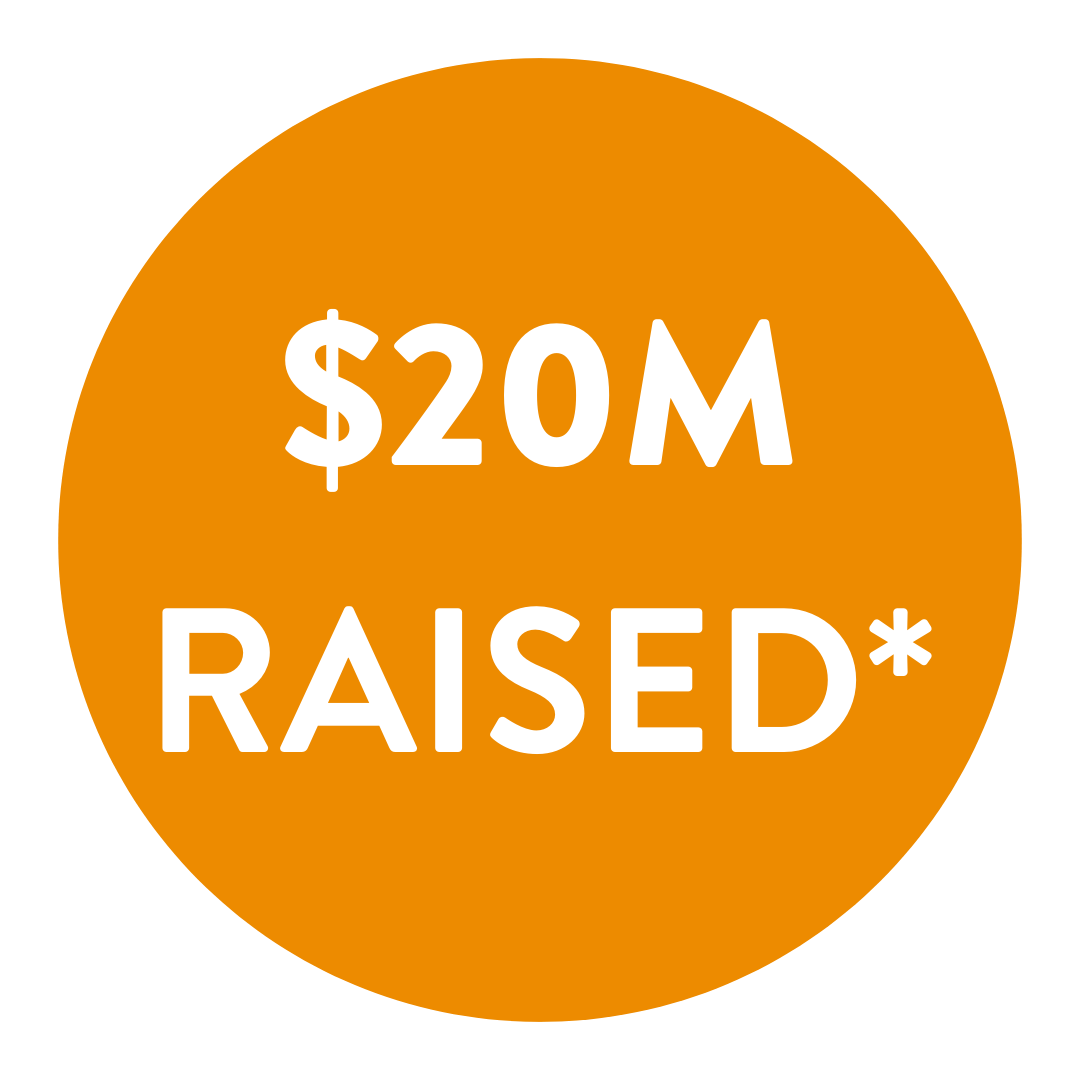
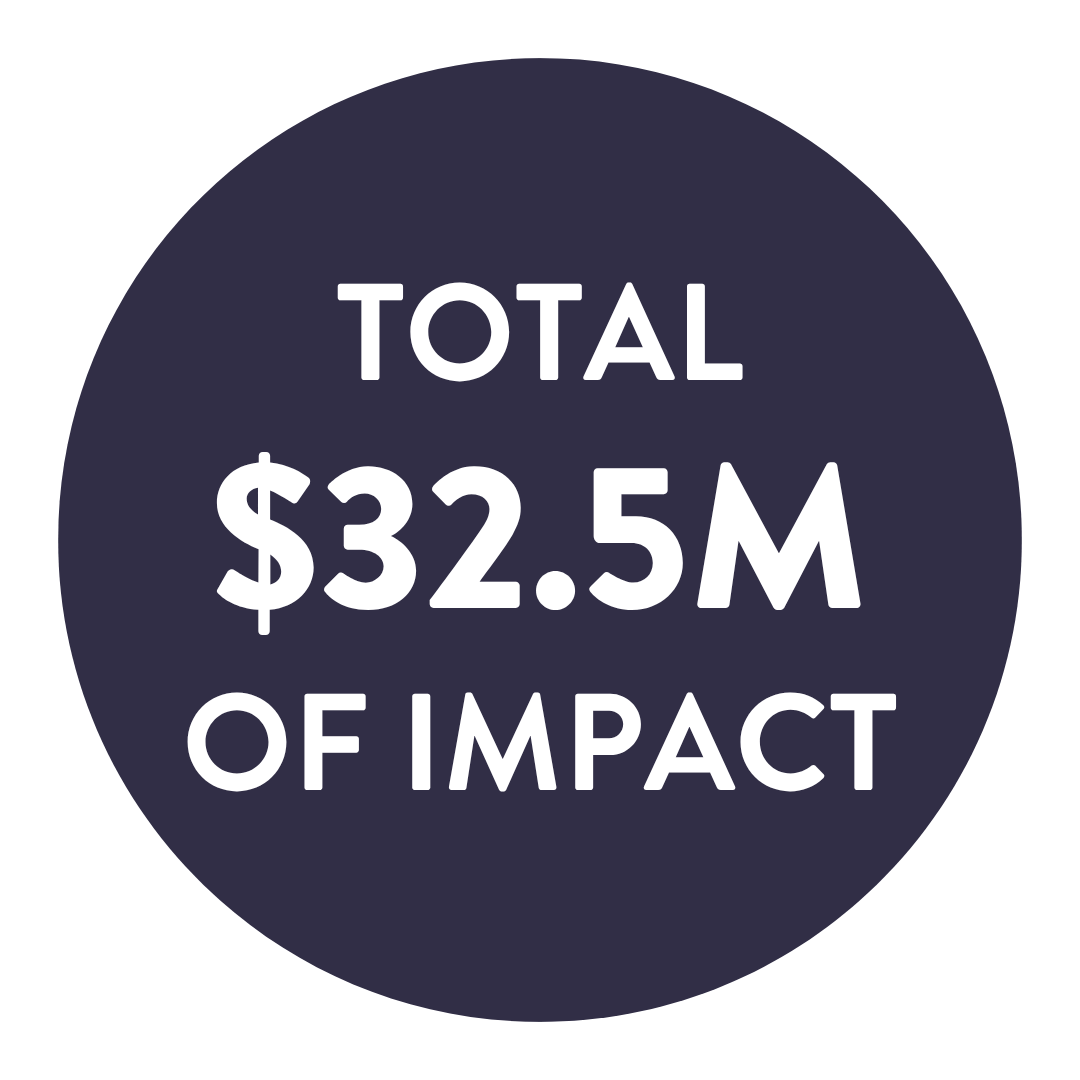
*Total raised to date (December 2025)
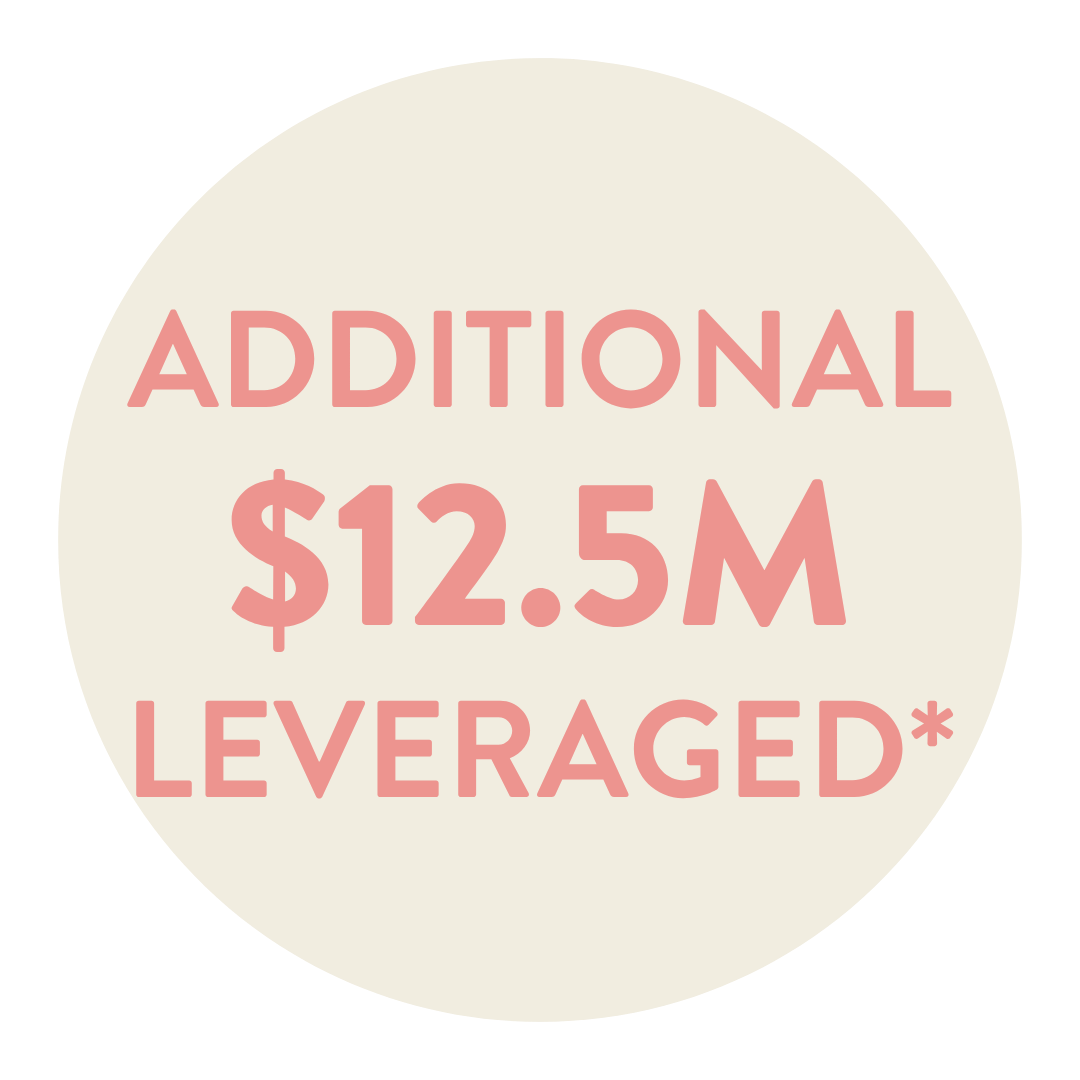
*From like-minded charities and government sources.

RESEARCH, Care, and development

Three pillars inspired by Connor’s legacy, driving progress for children with brain cancer.

Research

Through our strategic collaborations across Australia, the US and globally, we’re supporting world-class research and investing in clinical trials which are helping accelerate better treatment options for kids with brain cancer.


Care

We are supporting families with in-home music therapy sessions and offering resource grants for equipment including musical instruments. These programs give comfort to both the patient and their family and are often not covered by insurance.


Development

We are inspiring and supporting the next generation of brain cancer researchers by funding travel grants, PhD scholarships, fellowships and conferences. We’re building impactful research workplace capacity across Australia.


RESEARCH

A few key research highlights

Impact to date

The work undertaken in the initial project to design and build an mRNA vaccine against paediatric brain cancer, which we funded ($1,339,590) and leveraged a further $941,906 in-kind contributions from The University of Queensland, was instrumental in securing a $2,578,272 federal government grant and a further $23.9M in-kind from Providence Therapeutics, to undertake a clinical trial using personalised mRNA vaccines.

Current RCD Funded Project- Laboratory Testing Pipeline

Paediatric brain tumours, in particular, are very good at hiding from the immune system, which allows them to grow almost undetected. Increasing the body’s natural response to fight cancer has proven effective. One way of doing this is to stimulate the body to produce large amounts of specific molecules the same as those on the tumour surface, to train the immune system so it can then rapidly recognise and kill the cancer cells in the tumour. These tumour molecules cannot form another tumour or replicate; they act like a 'fire starter' for the immune system, forcing the body to recognise the cancer cells as the enemy that needs to be destroyed.

In this project, we are using information from patient brain tumours and predictive biological models to determine which tumour molecules will be most effective in jump-starting the immune system. We are designing a pipeline of laboratory tests and unique mouse models to evaluate these molecules and identify the best candidates for inclusion in the vaccine. The team has partnered with an mRNA vaccine company to use their proven technology to deliver the vaccine and ultimately progress to human studies and larger clinical trials.

In the first instance, our focus is on ependymoma brain tumours. While some of the animal models and biological tests are specific to this tumour type, the building blocks of the project will validate the approach and make it transferable to other tumour types in the future. Once established, this work will significantly accelerate the production and clinical testing of mRNA vaccines for other brain tumour types, should the investment prove successful.

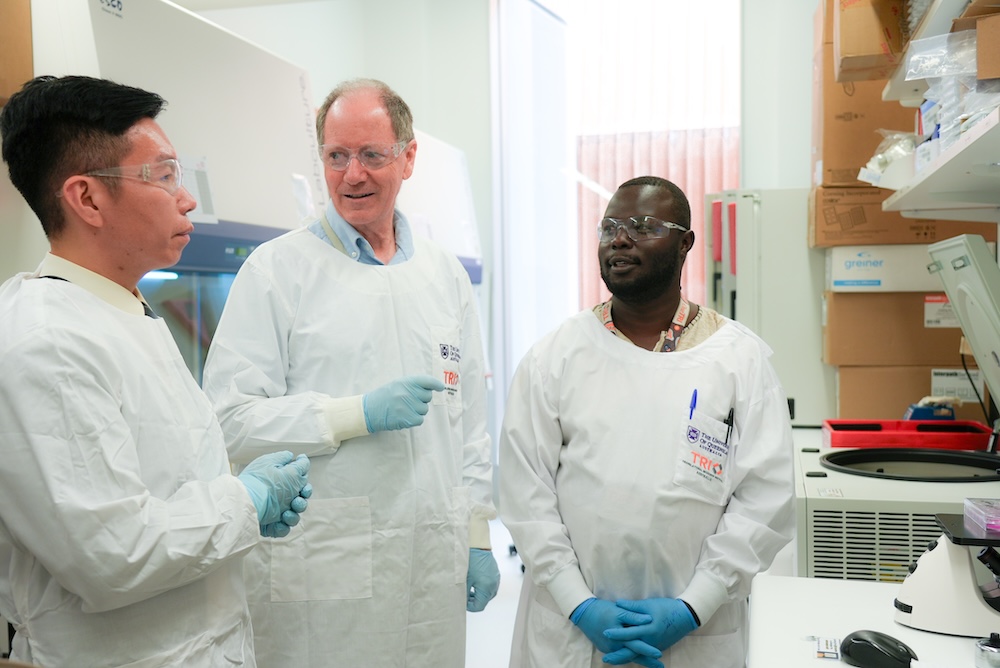
UQ team in lab

Left to right: Professor Di Yu, Professor Brandon Wainwright, and Dr Joseph Yunis, University of Queensland.

2025 Key Achievements for Laboratory Testing Pipeline

  • Demonstrated that an mRNA vaccine can be used to significantly improve the survival of mice bearing brain tumours.
  • Established mouse models for ependymoma that will be used for both testing of new therapies including mRNA vaccines, and the discovery of novel genetic pathways causing ependymoma.
  • Established and validated computational pipelines which will be used for personalised mRNA vaccine clinical trials which includes relapsed ependymoma.
  • Identified new therapeutic targets on the tumour cell surface that could be used in future vaccines versions.

RCD partners with Children Cancer Foundation to support mRNA vaccine clinical trial for kids with recurrent and difficult to treat brain tumours (PaedNEO-VAX study).

This trial is led by Professors Jordan Hansford (SAHMRI) and Brandon Wainwright (UQ) and administered by ANZCHOG. It involves eight paediatric hospitals in Queensland, South Australia, NSW, Victoria and Western Australia and starts April 2026. It includes kids with relapsed and unresponsive high-grade tumours, including medulloblastoma, ependymoma and newly diagnosed diffuse midline glioma. Children will receive personalised vaccines based on the genetics of their brain tumour.

RCD has proudly partnered with the Children’s Cancer Foundation and the Marcus Rosin Special Fund to provide additional funding for this trial.

Pictured: Marisa and Marcus Rosin

ABC News feature about the personalised mRNA vaccine for children with deadly brain cancers is to be trialled in eight Australian hospitals. Featuring RCD Foundation Legacy Ambassador Marisa Rosin.

BRAIN CANCER VACCINE RESEARCH & FUNDING PARTNERS

NATIONAL PAEDIATRIC BRAIN CANCER LINKAGE (NPBCL) PLATFORM

The most effective way to accelerate research and support clinicians in making more accurate diagnoses and treatment decisions is through access to high-quality patient data. The greater the volume of data, the more reliable and meaningful the insights become. As paediatric brain cancer remains a relatively rare disease, individual case numbers are low — making the national pooling of Australian data essential to improving outcomes. Patient data includes the medical images, pathology and histolgy results, clinical notes, treatment plans, medicines given, clinical trials and quality of life information. Linking each of these data types for every patient provides powerful insight into individual patient journeys. It not only deepens our understanding of different brain tumour types, but also strengthens our knowledge of treatment approaches and their outcomes.

Currently, each research project that requires patient data must manually extract and link relevant information specifically for that individual study. This process is costly and inefficient. Additional challenges include:
i) differing data and privacy legislation across Australian states;
ii) data security requirements; and
iii) data types are stored across multiple systems that do not always integrate.

Even when considering clinical records alone, hospitals often use different recording and storage systems that are not compatible.

This project aims to demonstrate a national model in which data can be automatically extracted, translated to the same language for comparisons and securely transferred into a single cloud-based platform where individual patient data can be linked together from hospitals across Australia. Researchers and doctors with the correct approvals can access the information. We have engaged with government agencies about this project, as our long-term goal is to secure sustainable government funding to support it into the future.

In phase 1 we want to demonstrate how de-identified clinical records and images (e.g. MRI, CT, PET-scans) can be securely transferred into the platform and linked with parental consent.
2025 NPBCL Platform Achievements:

  • Partnered with ANZCHOG to secure $320,355 MRFF funding via the CoACT: Brain Cancer program grant (MRF2038070).
  • Built the BioGrid Digital Research environment for the Platform.
  • Designed clinical data workflow -automation of clinical data extraction, de-identification of data, data transformation and transfer to the BioGrid DRE.
  • Defined clinical data to be extracted with clinicians.
  • Produced prototype hospital report with clinician input.
  • Partnered with imaging data experts to build imaging workflow.
researchers

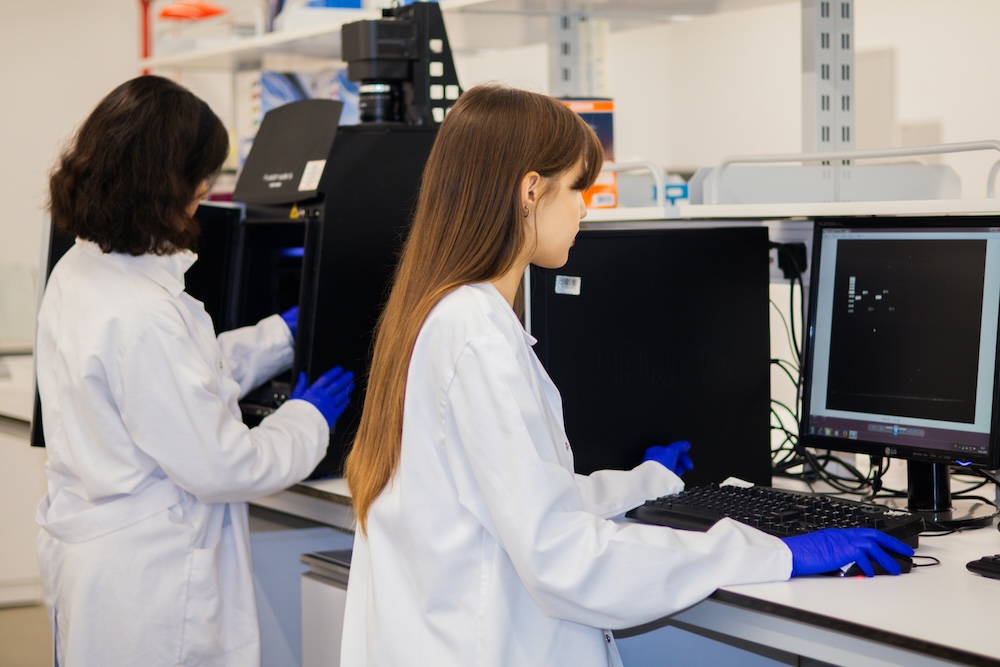
Representative image of laboratory research. 

DATA PROJECT PARTNERS

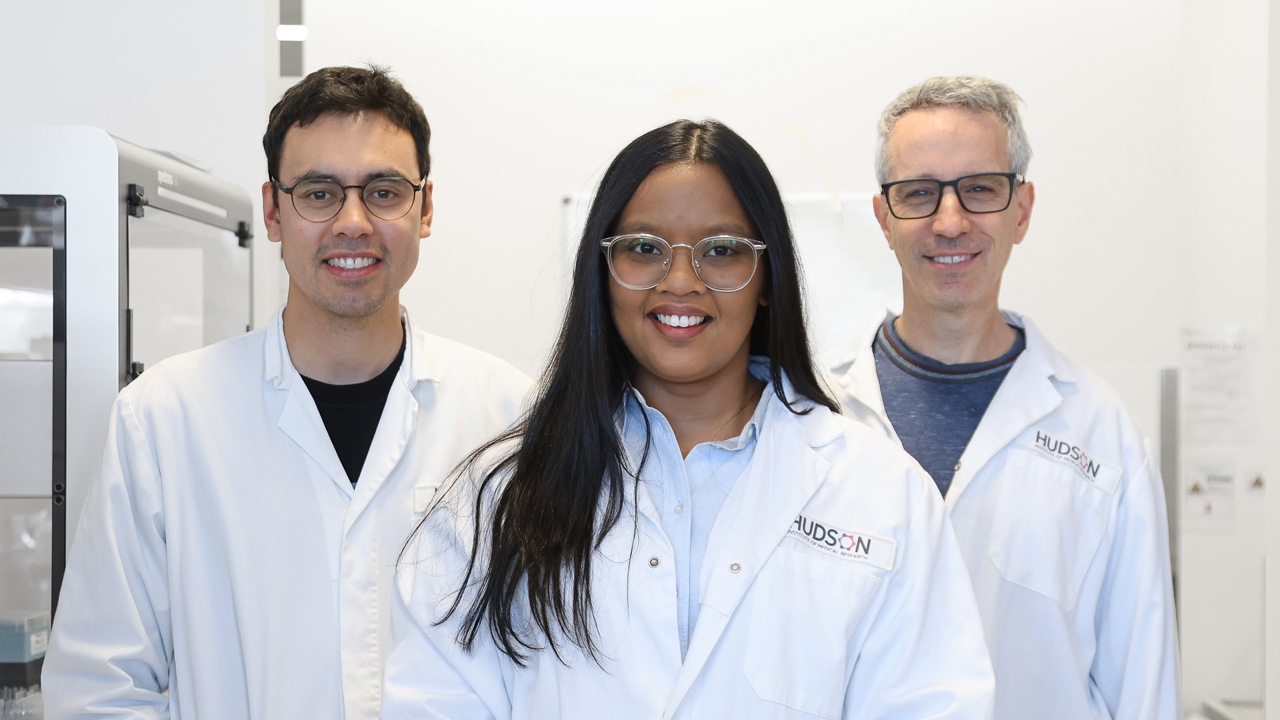
Left to right: : Dr Paul Daniel, Dr Shazia Adjumain, Professor Ron Firestein. Image courtesy of Hudson.

BUILDING PRECISION MEDICINE FOR PAEDIATRIC BRAIN TUMOURS

This research program with international colleagues has resulted in:
i) the first evidence that paediatric brain tumours really are different to adult brain tumours;
ii) validated the role of a key molecule in a tumour growth pathway which is being patented and has significant clinical application for new drug therapies and;
iii) contributed over 30% of the brain cancer data to the Childhood Cancer Model Atlas globally helping to accelerate research.
We have invested in a Precision Medicine research program at the Hudson over the previous five years. The four projects all involved using a cutting-edge technology called CRISPR which allows the scientists to precisely edit, add, or delete DNA sequences within the brain tumour cells.

This enables them to study the importance and contribution of certain genes causing paediatric brain tumours and supporting their growth. This knowledge not only increases our biological understanding of brain tumours but also identifies critical genes to target for designing novel therapies.

In addition to this leading to drug development, they also screen existing drugs with known mechanisms targeting these newly identified critical gene pathways. Data is then further validated in cell lines and animal models for their suitability to translate into clinical testing.

All projects have focused on childhood brain cancers, including high grade gliomas, ependymomas and rare children’s brain cancer subtypes (i.e. ETMR, ATRT, Choroid Plexus Carcinoma, Pineoblastoma) which have the poorest outcomes for children. The latest project builds on previous results and continues to contribute to:

  • Expanding brain cancer data in the Childhood Cancer Model Atlas, accelerating global basic research in the paediatric brain cancer field (4050 active users from 63 countries in the last 3 years) and 
  • Defining key pathways that are distinctly important in paediatric brain cancers (including MCL1, PI3K, CDK8 and others) which can be targeted using drugs that are already in trials.

PROJECT PARTNERS

RCD Clinical Trials Program

The RCD Clinical Trial Program funds the Australian and New Zealand Children’s Heamatology and Oncology Group (ANZCHOG) to administer and govern selected paediatric, adolescent and young adult brain cancer trials across Australia. This funding is leveraged with that of other funders allowing more trials to be conducted for our kids.

To date this program has invested $1.25M enabling a total of 248 children (including 49 Australians) to participate in one national and five international clinical trials. These include PNOC019, PNOC022, DART, CONNECT 1905, CONNECT 2108, and LGG Avastin.

The Deflexifol at Relapse Trial (DART)

The DART study is testing Deflexifol®, a next generation drug candidate under development by Australian biotech company FivepHusion. Deflexifol® is an innovative co-formulation of two well established cancer drugs that are routinely utilised to treat adult cancers, and for which there is promising independent research to suggest it could benefit children with relapsed ependymoma.

In two phase 1 studies in adults, Deflexifol® has demonstrated improved safety, tolerability and activity in patients with a range of solid tumours that had exhausted all therapeutic options. 

The phase 1 component of the DART study, which assessed Deflexifol® in children with a variety of different brain tumours, has completed successfully with a safe and tolerable dose selected. The phase 2 component of the study is now progressing, with leveraged support, to assess the safety and effectiveness of Deflexifol® in children with relapsed or recurrent ependymoma. The trial is opening soon across NSW, QLD, SA, VIC and WA.

RCD co-funded Phase 1 with the Kids with Cancer Foundation. Phase 2 is co-funded by the Kids with Cancer Foundation and FivepHusion.


Separate to our Clinical Trials Program we are proud to have joined five other like-minded charities to form the TarGet Collaborative  allowing Australian and New Zealand children and young adults with high-grade brain tumours access to a world-leading, international, precision medicine trial. The Collaborative is investing $1,925,000 over a seven year period with RCD’s contribution being $350,000.

TarGeT Trial
 

This trial uses the patient’s tumour genetic information to inform the best treatment protocol based on the therapeutic mode of action. It is called an umbrella trial because it allows multiple treatment groups (trial arms) to be tested in a single clinical trial. It is innovative allowing patients to change treatment groups if required. Enrolments across Australian sites are now open.

LEARN MORE

CARE

Key highlights from Music Matters — our music therapy and resource grant program

WHEN THE HEART SINGS THE MIND

Heals

Our Music Matters Grants

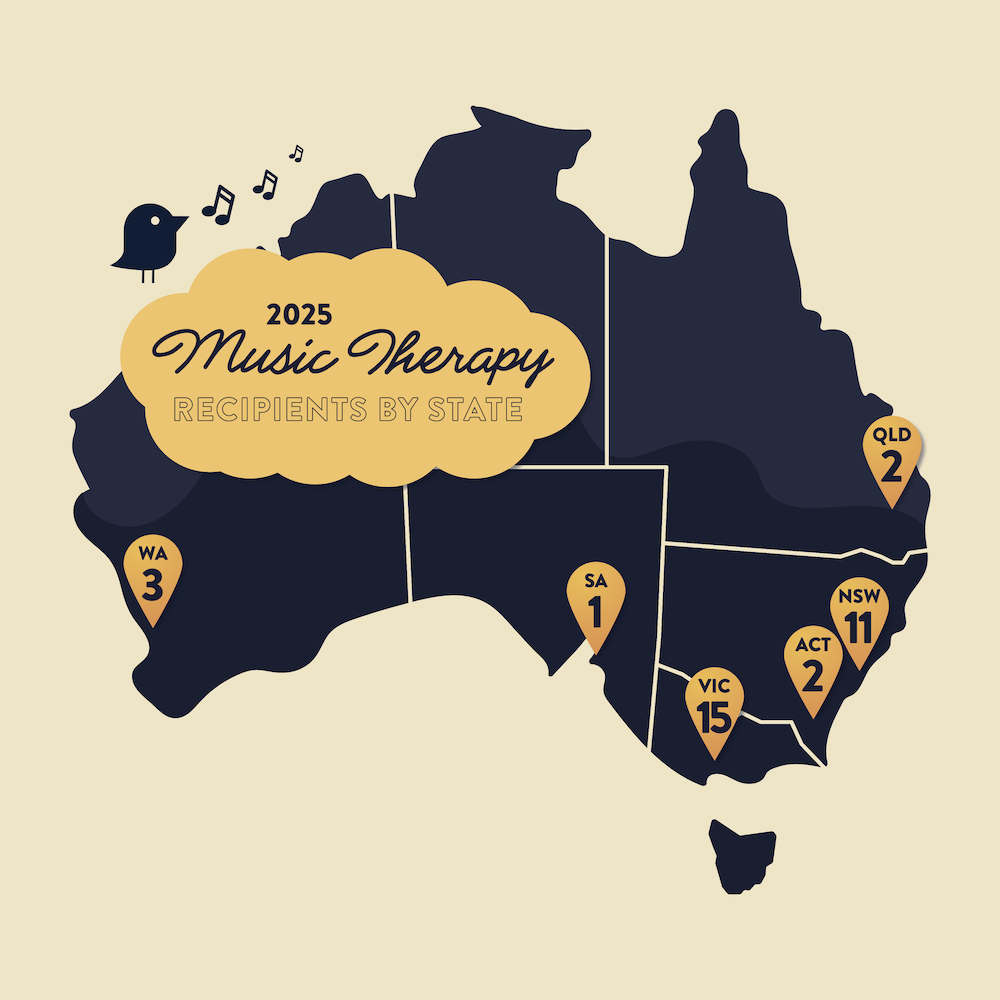
We are proud to provide a national in-home music therapy program and resource grants supporting children and young people 0–25 years old, diagnosed with brain cancer. We currently have recipients in all states.

Music therapy is an evidence-based, clinical practice that intentionally uses music to to achieve individualised therapeutic goals. By activating shared neural networks in the brain, music can support speech and motor function, strengthen memory and attention, and assist with emotional regulation.

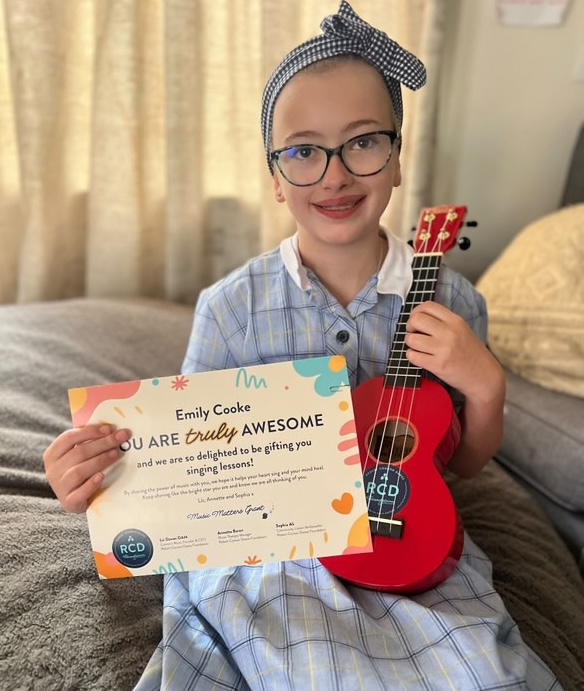
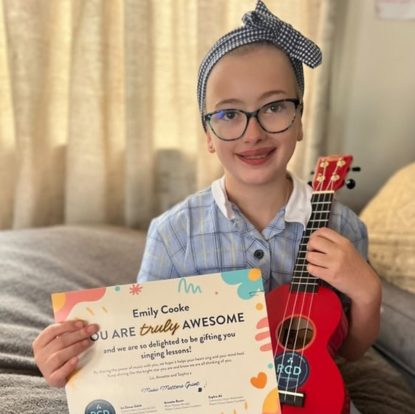
Emily Cooke

Pictured: RCD Music Matters grant recipient Emily Cooke.

2025 marked our biggest year of growth and expansion. To date, we have invested over $650,000 in our Music Matters Program

More than 173 young people have benefited from improved motor skills and well-being through involvement in our Music Therapy program

All 9 children’s hospitals across Australia are involved in the referral program for Music Therapy

Music Therapy Across Australia

We’re supporting young people with brain cancer nationwide—bringing the power of music therapy into homes across every corner of Australia.


megan music therapist
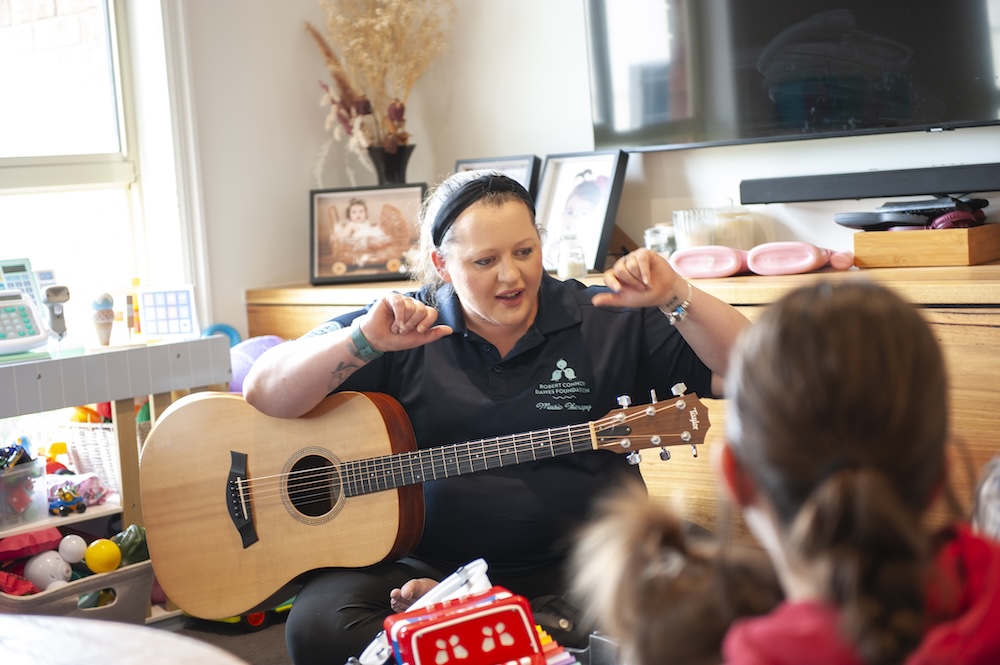
RCD Music Therapist Megan Cotter during a music therapy session.

Thank you so much for the welcome pack and for the generous Music Matters grant. We are deeply touched by the care and thoughtfulness shown by the Foundation.

Our child has now attended their first music therapy session and truly loved it. Seeing them light up through music — especially as we have just completed our third round of chemotherapy — has meant more to us than we can adequately put into words. In a time that can feel heavy and uncertain, music has brought moments of comfort, calm and genuine joy, not only for our child, but for our whole family.

Knowing the story behind this program and the love for music that inspired it makes this support feel even more meaningful. Please pass on our heartfelt thanks to the entire team. What you do brings real warmth and hope into families’ lives during the hardest moments.

We are so grateful to be part of the Music Matters program and this community. Thank you for walking alongside us — your kindness will stay with us.”

- Parent of a Music Matters recipient

2025 Music Matters Highlight: Ella's Performances

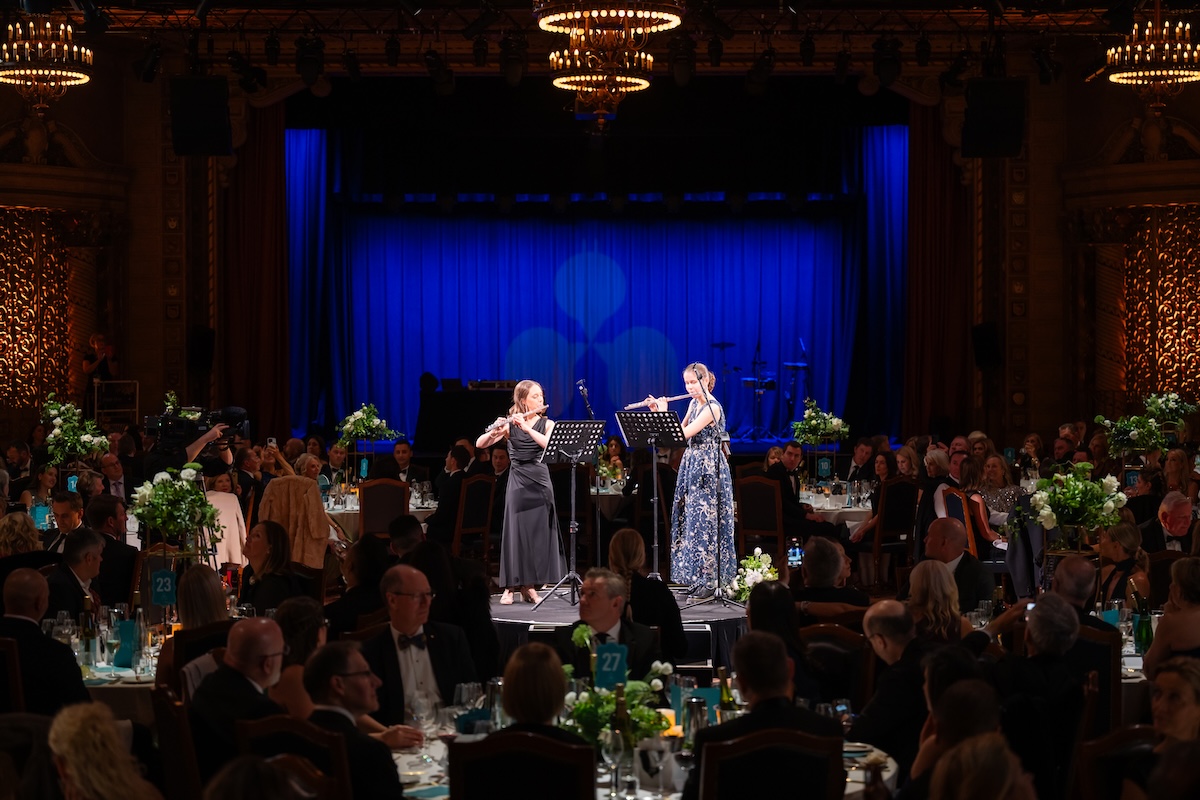
A special highlight was the extraordinary performance by Ella Gidney Santos, a 16-year-old from NSW and recipient of an RCD Music Resource Grant. Ella performed a beautiful flute duet with Annette Baron, our Music Therapy Manager, showcasing the transformative power of music therapy in action.

They performed together at the RCD Foundation Bi-Annual Ball on 24 May 2025 at the Plaza Ballroom in Melbourne, and again at the inaugural NSW Connor’s Golf Event on 10 November 2025 at Elanora Country Club. Audiences were moved, bringing our mission to life through music

Ella and Annette Brainy Ball

Left to right: RCD Music Therapy Manager Annette Baron and Music Matters grant recipient Ella Gidney Santos performing at the 2025 RCD Brainy Ball.

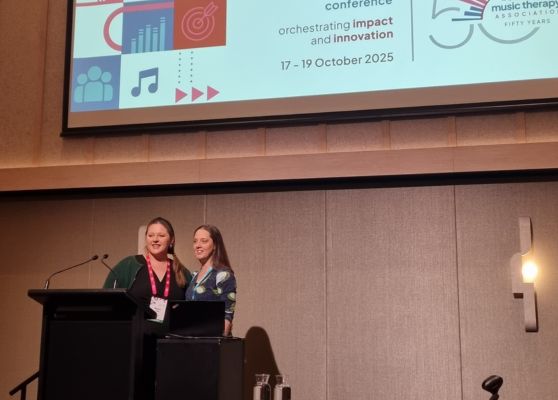
Left to right: RCD Music Therapist Megan Cotter and RCD Music Therapy Manager Annette Baron at the AMTA Conference, where they both presented.

50th Australian Music Therapy Association (AMTA) Conference

RCD was proud to support the 50th AMTA Conference in October 2025, celebrating the vital role of music in in healthcare, continued research and impact on the patient journey.

Music Therapy Manager Annette Baron and Music Therapist Megan Cotter presented their work, with Liz Dawes OAM also addressing delegates. We were honoured to sponsor international keynote speaker, Professor Wendy Magee and connect with leaders shaping the future of music therapy.

Our Foundation remains committed to championing music therapy as an essential part of care, helping children and young people with brain cancer experience moments of joy, connection and healing through music.

DEVELOPMENT

Key highlights of our investment in development

development investments

Investing in the Minds Driving Tomorrow’s Breakthroughs.
Since inception the RCD Foundation has:

PhDs

5 funded PhD students

Scientific Fellowships

Supported 6 CERN & RCDF Fellowship awarded by the National Brain Tumor Society

Postdocs

Funded 9 postdoctoral scientists 

MAKING THE WORLD SMALLER FOR PAEDIATRIC BRAIN CANCER RESEARCHERS TO LEARN FROM

the brightest minds

Fueling Collaboration. Accelerating Discovery.

To date we have sponsored 30 local, national and international conferences, symposiums or meetings. Funding these key industry events not only facilitates knowledge exchange but also fosters new, and strengthens existing research collaborations. In particular, the mRNA Vaccine project was borne from the EPCAM meetings and continues to have international input.

Expanding Global Reach Through Researcher Travel Grants

To date, RCD has awarded 53 travel grants (11 in 2025) through our open, competitive grant scheme. This enables researchers to keep abreast of the latest developments in the field, showcase their own research and form important collaborations.

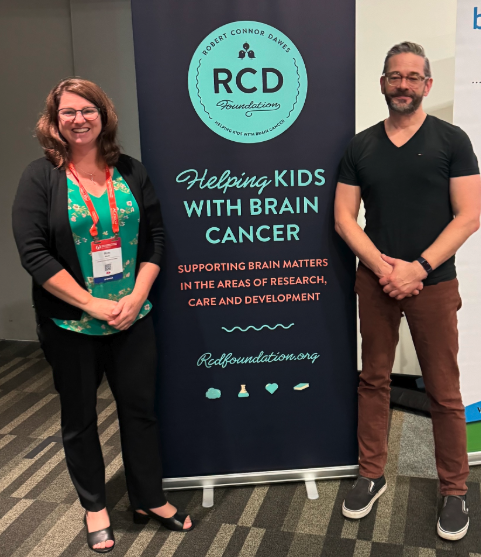
Left to right: RCD Foundation Head of Research Dr Kim Wark and Professor Richard Gilbertson at the Australian Childhood Brain Cancer Conference in Brisbane. 

Advocacy in Action:

The Robert Connor Dawes Foundation continues to advocate for children with brain cancer and their families, partnering with renowned national and international paediatric brain cancer consortia. 

More Research and Support Service Funding

As a member of the Australian Brain Tumour Collaborative (ABTC), we presented the Federal Health Minister, the Hon Mark Butler MP with a comprehensive national brain cancer landscape document, outlining the areas of unmet need. The report requested funding for i) a second Australian Brain Cancer Mission to support further research, ii) better care models including more brain cancer coordinators and iii) supporting the National Advocacy Service.

This work has initiated ongoing, positive, discussions between the Collaborative and Federal Government.


Unlocking $50M in Data Infrastructure

Through our partnership with the Children’s Brain Tumor Network (CBTN), collective advocacy efforts secured $50 million USD to expand national paediatric data infrastructure. 

The US Radiant program has now evolved into the Pediatric Care eXpansion (PCX) initiative, strengthening national collaboration, accelerating data sharing and improving access to cutting-edge research.
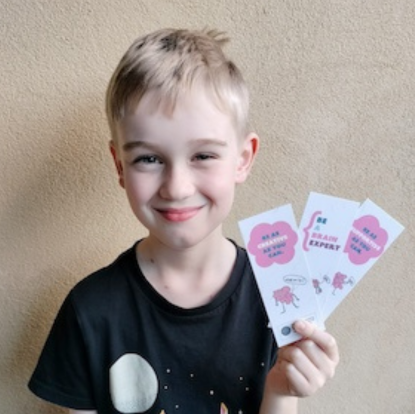
RCD annually contributes $25,000 USD to the network for this program and associated projects. We are also collaborating to build similar infrastructure in Australia- our national paediatric brain cancer linkage platform project.
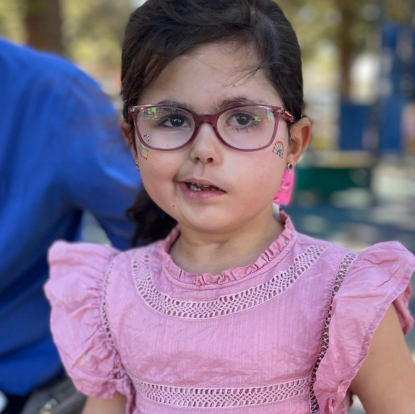


Accelerating Immunotherapy Breakthroughs

Sector Consortia Membership

RCD actively contributes to 5 internationally recognised paediatric brain cancer consortia and the Australian Brain Cancer Mission 

Member of Australian Brain Cancer Mission Funders Group

Children's Brain Tumor Network (CBTN) partner

CBTN

The Collaborative Ependymoma Research Network (CERN) Foundation 

Supporter of COllaborative Network for 
NEuro-oncology 
Clinical Trials (CONNECT)

DIPG/DMG Collaborative member and research partner

Australian Brain Tumour Collaborative (ABTC) member

Head To The Hill

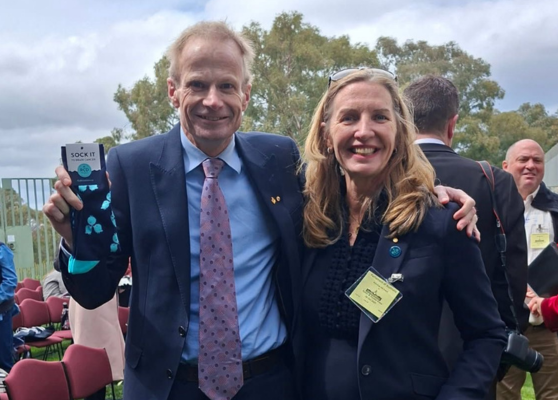
We were proud to represent the paediatric brain cancer community at Parliament House for Brain Tumour Alliance Australia’s third Head To The Hill event in October 2025.

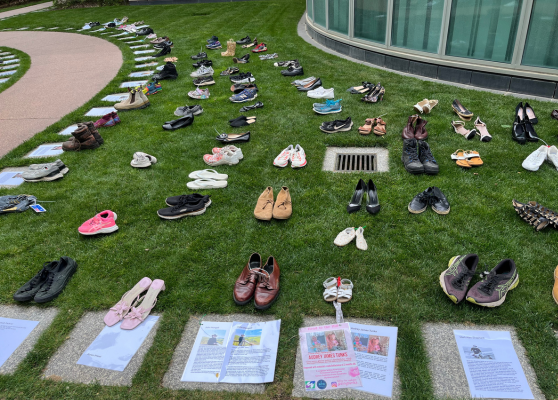
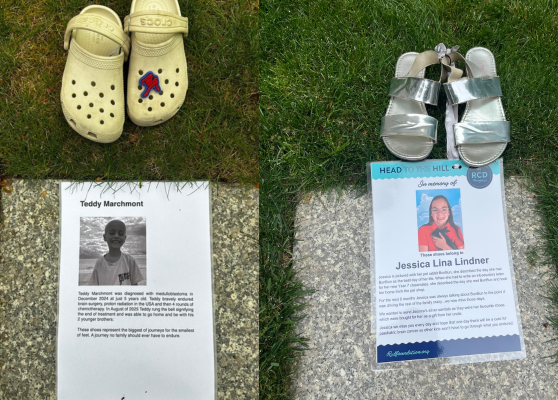
Shoes placed across the courtyard created a powerful tribute to lives impacted by brain cancer and the futures altered by this disease.

Alongside courageous families and sector leaders including Professor Richard Scolyer AO, we helped launch The Australian Brain Tumour Landscape Report, a landmark document outlining the true burden and economic cost of brain cancer, and calling for a $200 million national investment in research and clinical trials.

Advocacy like this ensures paediatric brain cancer remains visible and an urgent priority for government and other funders.

Head To The Hill

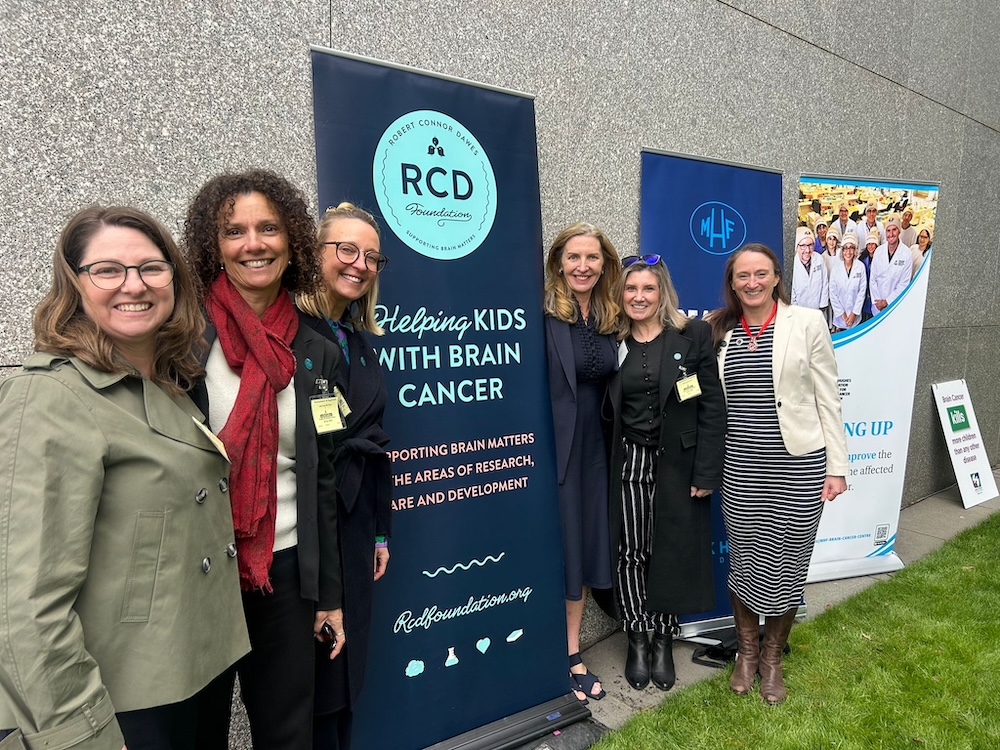
Left to right: Dr Kim Wark (RCD Head of Research), Sophia Ali (RCD Community Liaison Manager), Tash Waters (RCD Legacy Ambassador), Liz Dawes OAM (RCD CEO and Founder), and RCD Legacy Ambassadors Jacinta Maguire and Gemma Berry.

Shoes placed on the courtyard, representing lives impacted by brain cancer.

Prof Richard Scolyer AO, brain cancer survivor, and Liz Dawes OAM.

RCD brain cancer community members, Teddy Marchmont and Jessica Lindner's shoes.

THANK you!

Your investment is helping to save lives and change the odds for children with brain cancer

CONTACT US

Liz Dawes OAM
Founder & CEO

liz@rcdfoundation.org
0419 311 506

Dr Kim Wark
Head of Research

kimwark@rcdfoundation.org
0416 276 614

Anna Skelton
Head of Fundraising and Partnerships
anna@rcdfoundation.org
0404 940 023