
A world-first Australian clinical trial, PaedNEO-VAX, will test personalised mRNA cancer vaccines for children and adolescents with advanced or treatment-resistant brain tumours, including ependymoma, medulloblastoma and high-grade gliomas. The trial follows a $2.578 million investment from the Australian Government and represents a significant step forward in translating years of laboratory research into clinical care.
From laboratory research to clinical impact
PaedNEO-VAX builds on years of discovery and applied research supported by the Robert Connor Dawes (RCD) Foundation, helping advance personalised mRNA cancer vaccine research towards clinical application for children.
The study is co-led by The University of Queensland and the South Australian Health and Medical Research Institute (SAHMRI), in partnership with mRNA medicines platform company Providence Therapeutics. The Australia and New Zealand Children’s Haematology and Oncology Group (ANZCHOG) is the trial sponsor and will manage the study. Personalised vaccines will be manufactured in Queensland by Southern RNA, a leading mRNA contract development and manufacturing organisation specialising in mRNA raw materials and vaccines.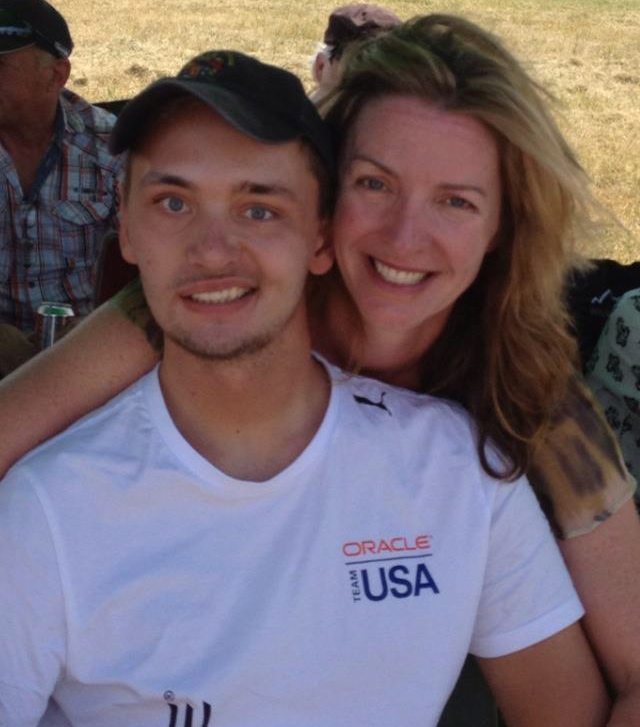
Liz Dawes and her son Connor
Liz Dawes OAM, CEO and Founder of the Robert Connor Dawes Foundation, said the trial represented a pivotal moment for paediatric brain cancer research in Australia.
“Our son Connor passed away in 2013 from an ependymoma brain tumour at the age of 18. When we established the Foundation in his name, we made a conscious decision to focus our efforts on improving the dire outcomes faced by young people with brain cancer.
Over the past 12 years, we have worked closely with key researchers in Australia and globally on making their most promising research a reality. This clinical trial is a wonderful result of our efforts.”
A GLIMMER OF HOPE FOR FAMILIES
Scientific lead Professor Brandon Wainwright AM, from UQ’s Frazer Institute, said the trial represents a long-awaited opportunity to explore new treatment approaches for children with the most aggressive brain tumours.
“After many years of research in our laboratory, we’re excited to be able to offer a glimmer of hope for children with some of the most aggressive and treatment-resistant brain tumours,” Professor Wainwright said.
Each child’s tumour will be analysed using genome sequencing and advanced data analysis to identify unique cancer markers. Tumour-specific vaccine targets will then be selected, with a customised vaccine expected to be ready within approximately 10 weeks of trial enrolment.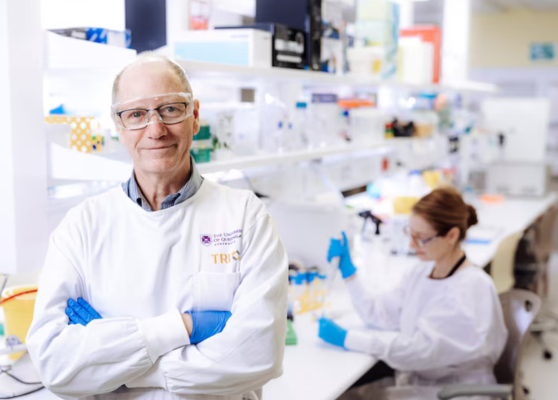
Prof. Wainwright
Honouring Marcus Rosin’s legacy
The clinical trial has received an additional boost through a partnership between the Children’s Cancer Foundation, the Marcus Rosin Fund and the RCD Foundation, providing targeted funding for children with ependymoma participating in the trial.
The announcement coincides with what would have been Marcus Rosin’s 21st birthday. Diagnosed with ependymoma at just four years old, Marcus passed away in 2014 after years of intensive treatment. Since his death, his family has worked to change outcomes for other children through the Marcus Rosin Fund.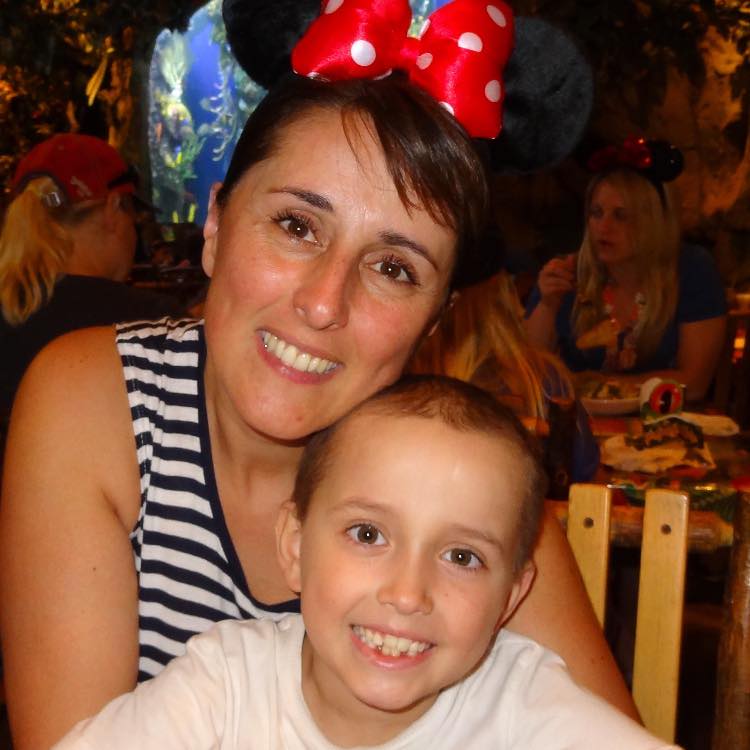
Marisa and her son Marcus Rosin
Marisa Rosin said contributing to the trial was deeply meaningful for her family.
“We are incredibly proud and deeply honoured to be part of an Australian-first, cutting-edge clinical trial that is leading the way for children with paediatric brain cancer,” she said.
Powered by community
This milestone reflects the power of community. The discovery and applied research underpinning this trial, and future improvements, has been made possible through the ongoing commitment of the RCD Foundation and our supporters.
We are especially grateful to the families and supporters of our Brain Cancer Vaccine Project, including the Brown family, the Rosin family and Bella The Brave, whose generosity and advocacy continue to drive progress for children with brain cancer.
Looking ahead
Trial sites will roll out at major paediatric hospitals in Adelaide, Brisbane, Melbourne, Sydney and Perth, with the first site expected to open in the coming months .
We understand that families will be keen to learn more and their children’s oncologists will be able to discuss the trial with them.
The trial may be suitable for paediatric patients with the following types of tumours: relapsed and unresponsive high-grade tumours medulloblastoma ependymoma high-grade glioma newly diagnosed diffuse midline glioma.