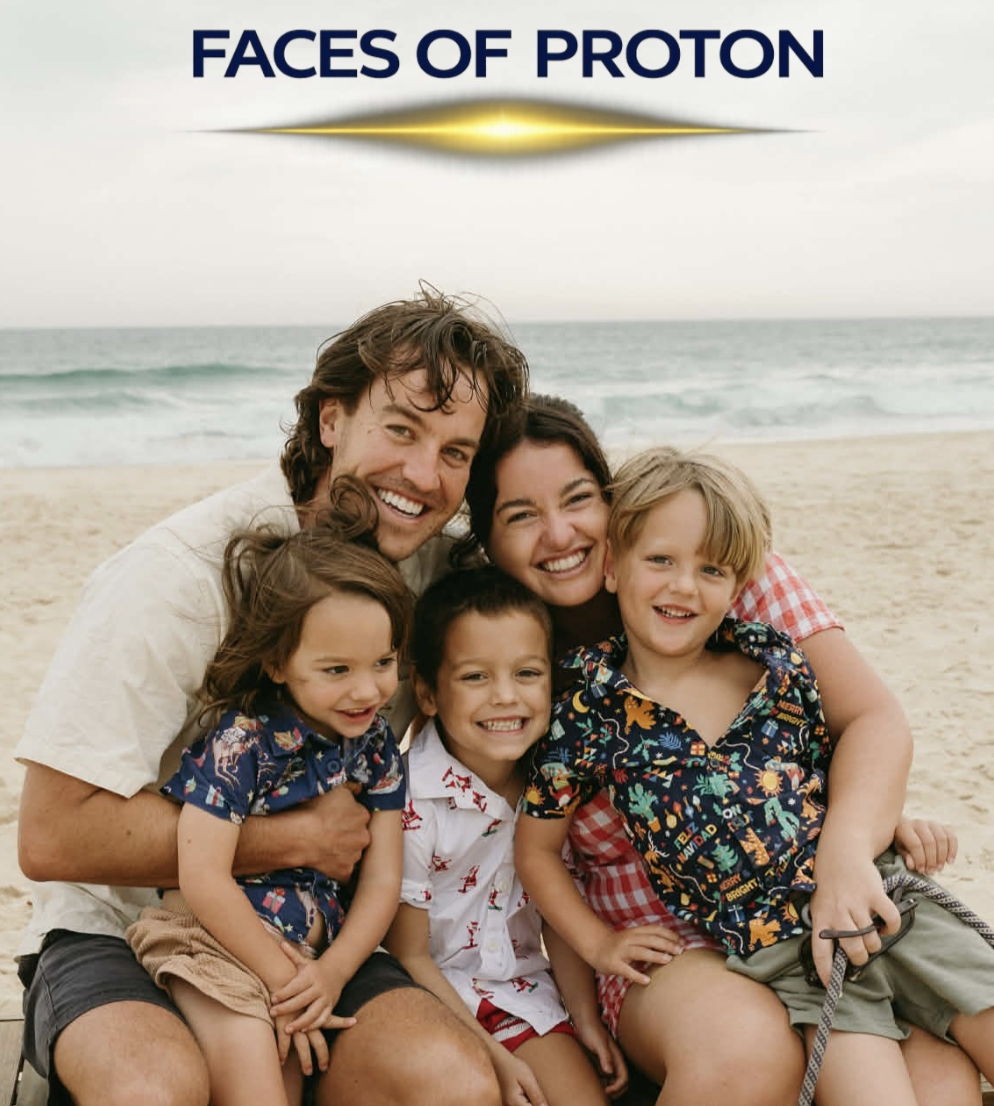

Proton Therapy in Australia: What Families Should Know
Proton therapy is a form of radiation treatment that may be recommended for some children and young people with cancer, including certain brain tumours.
At present, proton therapy is not yet available within Australia. Families who require this treatment are typically advised to travel overseas to access care.
As discussions continue nationally about future proton therapy services, we know many families in our community are seeking clear information about what this means.
What Is Proton Therapy?
According to Johns Hopkins Medicine, proton therapy (also known as proton beam therapy) is a type of radiation treatment that uses a targeted beam of protons to disrupt and destroy tumour cells. Unlike traditional radiation, protons have physical properties that allow doctors to more precisely control how radiation is delivered. This can enable treatment to be shaped to the size and location of the tumour while reducing exposure to surrounding healthy tissue. (Source: Johns Hopkins Medicine — Proton Therapy)
What This Means for Families
If your child’s oncology team believes proton therapy may be appropriate, they will guide you through available pathways, including referral and funding processes.
If you have questions about radiation options as part of your treatment plan, we encourage you to speak directly with your child’s treating team.
At the RCD Foundation, we remain focused on improving outcomes and quality of life for children and young people with brain cancer — including access to evidence-based treatment and care.
We will continue to share updates relevant to our community as they emerge.
Some families have shared their experiences and are advocating for local access to proton therapy. You can read more here:
Australians Need Proton Therapy Here at Home

Teddy's Story
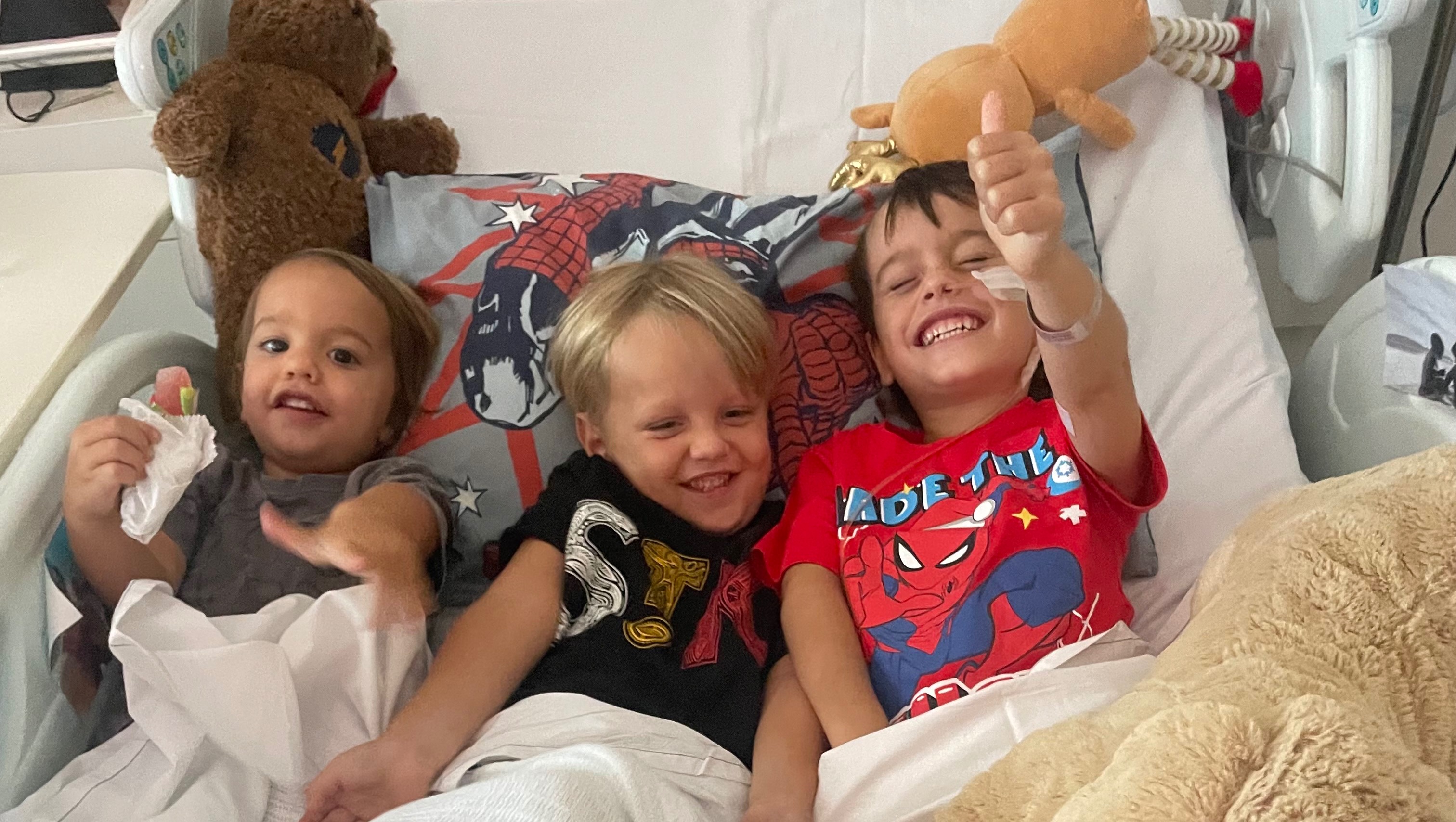
Teddy Marchmont was just five years old when his family’s world changed forever.
A bright, energetic little boy and loving big brother to two younger brothers, Teddy was diagnosed with medulloblastoma, an aggressive brain tumour, after being rushed to hospital and undergoing urgent brain surgery.
In December 2024, Teddy underwent an eight-hour operation to remove the tumour. Following surgery, he faced a long road to recovery and bravely began learning to walk and talk again.
During this time, the Marchmont family connected with the Robert Connor Dawes Foundation. The Foundation’s resources and community support became a source of strength during an incredibly challenging period.
As the family explored the next stage of treatment, they were advised that radiation therapy would be required. Through conversations with medical specialists and extensive research, they learned about proton therapy — a highly precise form of radiation that can target tumours while minimising damage to surrounding healthy tissue.
Because proton therapy is not currently available in Australia, the Marchmont family faced the difficult reality of travelling overseas so Teddy could access treatment.
After seeking advice from specialists across Australia and internationally, the family made the decision to travel to the United States so Teddy could undergo proton therapy. Securing treatment was urgent and financially overwhelming, with significant costs including travel, accommodation and time away from work.
With the support of friends, family, news outlets and the generosity of the Australian public, the Marchmonts — along with Teddy’s two younger brothers — travelled to Florida, where Teddy underwent 30 sessions of proton therapy at the UF Health Proton Therapy Institute.
The family stayed at Ronald McDonald House, connecting with other families who had travelled far from home for treatment. Despite the challenges of navigating a foreign healthcare system and being away from their community, they found strength in the support around them.
After completing treatment in February 2025, Teddy returned to Australia for further care, including four rounds of chemotherapy. In August 2025, he proudly rang the bell to mark the end of this stage of his treatment journey.
Today, the Marchmonts are proud RCD Legacy Ambassadors, helping raise awareness of childhood brain cancer and the experiences faced by families navigating treatment.
Through sharing Teddy’s story, Rob and Beth are also helping raise awareness of proton therapy and the importance of expanding treatment options for children here in Australia.